 Noor Elbayan Academy
Online Quran Memorization and Reading with Noor Al-Bayan
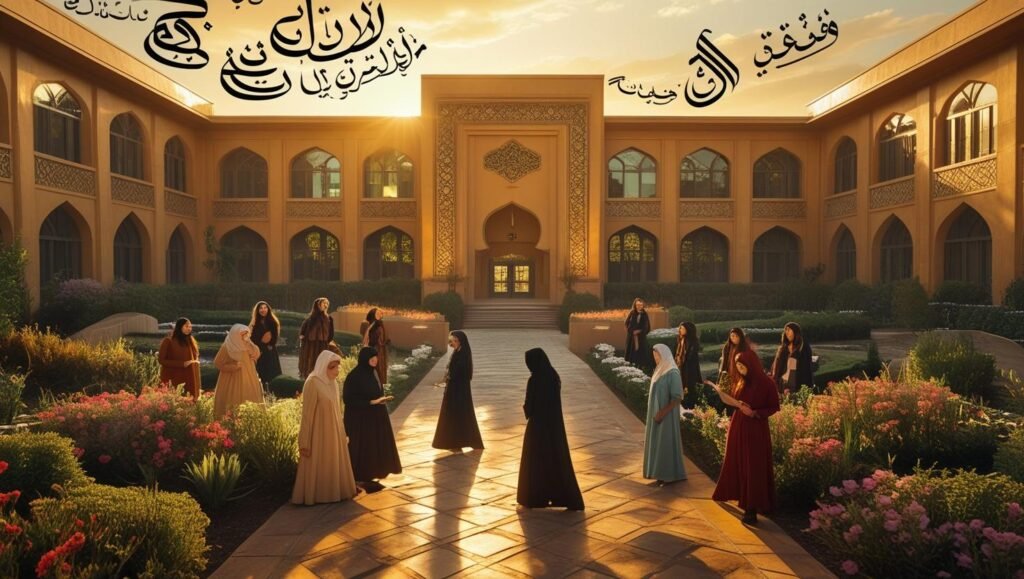
The Noor Al-Bayan method is an effective way of teaching children to read and to memorize the Quran. It combines sound reading foundations with modern learning techniques. This article explains how the method works in each area, from learning the letters to Hifz, assessment, family support and character building.
How the method teaches reading
Gradual progression
Teaching begins with the letters of the alphabet and their sounds, then moves on to words and sentences, so that the child understands each step separately. Lessons follow a logical order in which each one builds on what came before.
Repetition and practice
Repetition is the main tool for fixing information in a child’s mind. Students read a text several times until they have absorbed it, and repeated reading exercises reinforce understanding and retention.
Phonics
The method concentrates on the basic sounds of Arabic and how they combine to form words. Children learn to break a word down into its sounds and to recognise sound patterns, which makes their reading accurate.
Stories and nasheeds
Short stories written in simple words raise enthusiasm for reading and teach values at the same time. Nasheeds use rhythm and melody to make words easier to remember. Books are chosen to suit the child’s age and language level.
Learning through play
Educational games, flashcards and movement activities allow children to practise reading in an enjoyable and active manner.
Reading aloud and daily reading
Children are encouraged to read aloud in front of a teacher or parent, which builds confidence, while the teacher corrects pronunciation. A set time for reading every day, with varied material such as stories, short articles and religious texts, brings steady improvement. Reading independently strengthens self-reliance.
Multimedia
Video and audio hold children’s attention and support understanding. Content presented through sound, image and text also serves children who learn best by seeing, by hearing or by doing.
How the method supports Quran memorization
- Dividing the text. The passage is divided into short sections so that memorization is manageable and the child does not feel overwhelmed. Each section is memorized before moving to the next.
- Repetition and revision. Verses are repeated regularly, and what has been memorized is revised continually so that it is not forgotten.
- Understanding the meaning. Children are introduced to the meaning and general context of the verses. Linking meaning to memorization makes Hifz firmer.
- Reciting to the teacher. The student recites the verses to the teacher, who corrects mistakes and strengthens understanding.
- Listening. Audio recordings of the Quran can be listened to at any time and support both memorization and Tajweed.
- Assessment and feedback. Progress is measured through short tests, and continuous feedback improves performance and confidence.
- Family support. Parents are guided on how to help their children with memorization at home.
- Motivation. Rewards for progress encourage children to continue.
- Values and reflection. Memorizing the Quran instils Islamic values, and children are encouraged to reflect on the verses and their effect on daily life.
Active learning
Active learning involves the student directly in the lesson instead of leaving the child as a listener.
- Interactive activities. Games linked to letters and words reinforce the content.
- Discussion. Children talk about the verses or texts they have read, which deepens understanding and teaches them to express their views.
- Small projects. A child may make a poster about a book, write a summary of a text or give a short presentation on a topic.
- Practical work. Flashcards and hands-on tasks make concepts concrete.
- Questions. Teachers encourage children to ask questions and to think about the deeper meaning of a text.

Continuous assessment
- Individual performance. Short tests measure progress in memorization and reading, and the student reads verses or texts to the teacher so that pronunciation and understanding can be assessed.
- Immediate feedback. Comments given straight after the recitation help students recognise and correct mistakes quickly. Attention to their strengths builds confidence.
- Reading and Tajweed skills. Comprehension, recitation, the rules of Tajweed and the articulation of letters are all assessed.
- Self-assessment. Students are encouraged to review their own progress and to set new goals.
- Periodic tests. Regular tests give a fuller picture of long-term progress, and their results guide the planning of future lessons.
- Progress records. Notes and reports on each student show parents and teachers what the child needs.
The role of parents
Parental support is essential to success in reading and Hifz. Parents can help in the following ways.
- Set a regular study time at home and provide a quiet place that supports concentration.
- Read with the child and arrange simple activities that reinforce what was learned in the lesson.
- Follow the reports on the child’s performance and stay in contact with the teacher.
- Offer steady encouragement to build the child’s confidence, and seek the teacher’s advice when the child faces a difficulty.
- Read educational stories together and use the Quran to teach Islamic values and good character.
Technology in teaching
Online lessons allow children to learn from any place, and a virtual classroom lets the student interact with the teacher directly. Video clarifies ideas, and audio teaches the correct pronunciation of letters and verses, which supports reading and Tajweed. Technology also makes it possible to track each student’s progress, identify strengths and weaknesses, and share reports with parents.
At Noor Elbayan Academy, lessons are held live over Zoom or Google Meet. Children learn to read and write through the verses of the Quran, strengthen the articulation points of the letters, and study the basic rules of Tajweed, such as the rules of the vowels and the sukoon, in a simple form so that they can recite correctly.
Teaching values and character
- Islamic values. Reading the Quran and learning sayings of the Prophet Muhammad, peace and blessings be upon him, introduce children to good character.
- Daily practice. Children are encouraged to apply these values in daily life, with examples of situations that call for honesty, trustworthiness and cooperation.
- Stories of the Prophets and Companions. These stories teach patience, faith and sacrifice, and the lessons drawn from them are discussed with the child.
- Good example. The teacher is a model for the child, and parents are encouraged to set the same example at home.
- Dialogue. Children discuss values openly and consider how to apply them in different situations, including when they face difficulties.
- Self-review. Children learn to assess their own behaviour against the values they have studied, and parents can discuss this with them.
Motivation and rewards
- Rewards. A small reward or a points system recognises progress in memorization or reading.
- Positive reinforcement. Words of encouragement from teachers and parents praise effort, even when a goal has not been fully reached.
- Personal goals. Students set their own goals in memorization and reading and learn to plan how to reach them.
- Celebrating achievement. Setting aside time to acknowledge an achievement gives the child a sense of pride.
- Parents’ involvement. Parents and teachers exchange information on the child’s progress and on what motivates the child.
Developing thinking skills
- Critical thinking. Open questions and discussion of the meanings of the verses develop analysis and reasoning.
- Problem solving. Teachers present situations that require the child to think of a solution, and creative answers are encouraged.
- Linking ideas. Children learn to connect different pieces of knowledge and to see the relationships between them.
- Creative expression. Art and other creative activities allow children to express their thoughts and feelings.
- Moral reasoning. Children think about how Islamic values apply to their own conduct.
- Independence. Working alone and setting personal goals develop planning, organisation and sound decision making.

Learning with Noor Elbayan Academy
Noor Elbayan Academy teaches the Quran and reading to children online using the Noor Al-Bayan method. Children learn the alphabet, the articulation points of the letters, correct reading and Tajweed through direct interaction with specialised teachers in live one-to-one lessons. The programme also strengthens reading and writing and covers the basic rules of Arabic, which addresses weak literacy and prepares the child to memorize and recite the Quran correctly.
A related article explains why the Noor Al-Bayan method is an effective way to teach children the Quran and reading. Parents who wish to choose a suitable programme or book a free trial lesson may contact Noor Elbayan Academy.